The Colombian Amazon
The country's share of the world's largest rainforest — a living territory of rivers, forests and peoples, and our standing guide to how it is changing.
Learn moreWhat is the Colombian Amazon?
The Colombian Amazon is the country's share of the world's largest tropical rainforest: a living territory of rivers, forests and peoples, and a place where decisions about land, extraction, infrastructure and conservation carry consequences far beyond its borders. This page gathers our reporting and our structured record of events, actors, policies and projects, and points to the investigations where we go deeper.
Key points
- The Colombian Amazon is the country's share of the world's largest tropical rainforest: a living territory of rivers, forests and peoples, and a place where decisions about land, extraction, infrastructure and conservation carry consequences far beyond its borders.
- The Colombian Amazon spans the country's southeast.
- The region is home to many Indigenous peoples whose territories, governance and knowledge long predate the Colombian state and remain central to the Amazon's future.
- Canonical developments from our intelligence record, most recent first.
Projects we are watching
Infrastructure, extractive and conservation projects we track, with current status.
Tracked projects will appear here as our record grows.
Investigations and dossiers
Our deepest work lives in standing investigations and dossiers that accumulate evidence over time.
Standing dossiers will appear here as evidence accumulates.
Flagship: Gold of Abandonment.
Latest reporting
Our most recent Colombian Amazon coverage.
Recent reporting will appear here.
All coverage: News & Investigations.
News Watch
Follow current developments across the region and its departments.
Amazon News Watch · Department Watch · Our sourcing and methodology: Editorial Standards.
How our work connects
ColombianAmazon.com is the public platform of the Embajada de la Amazonia Colombiana.
Learn moreThe territory
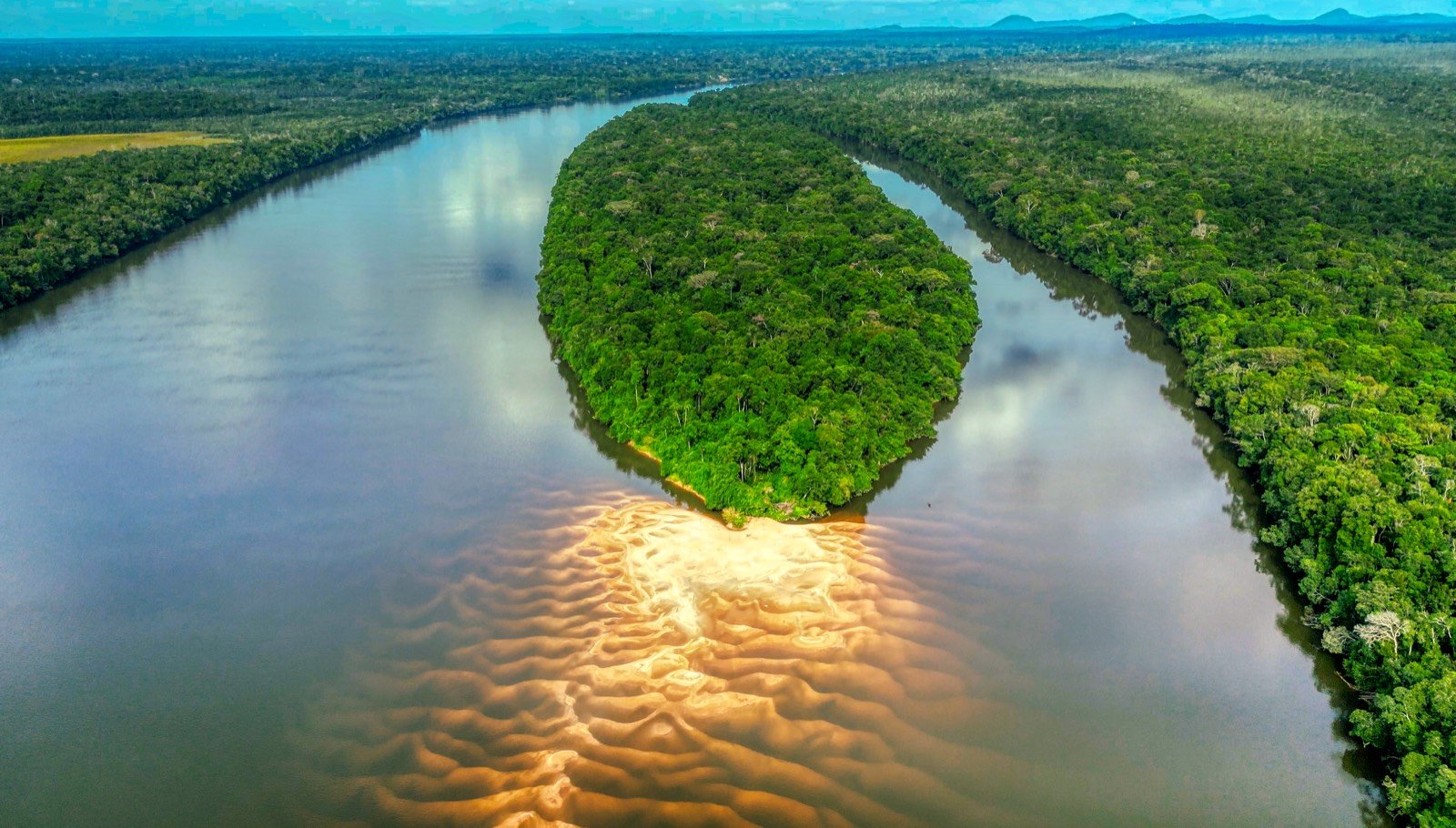
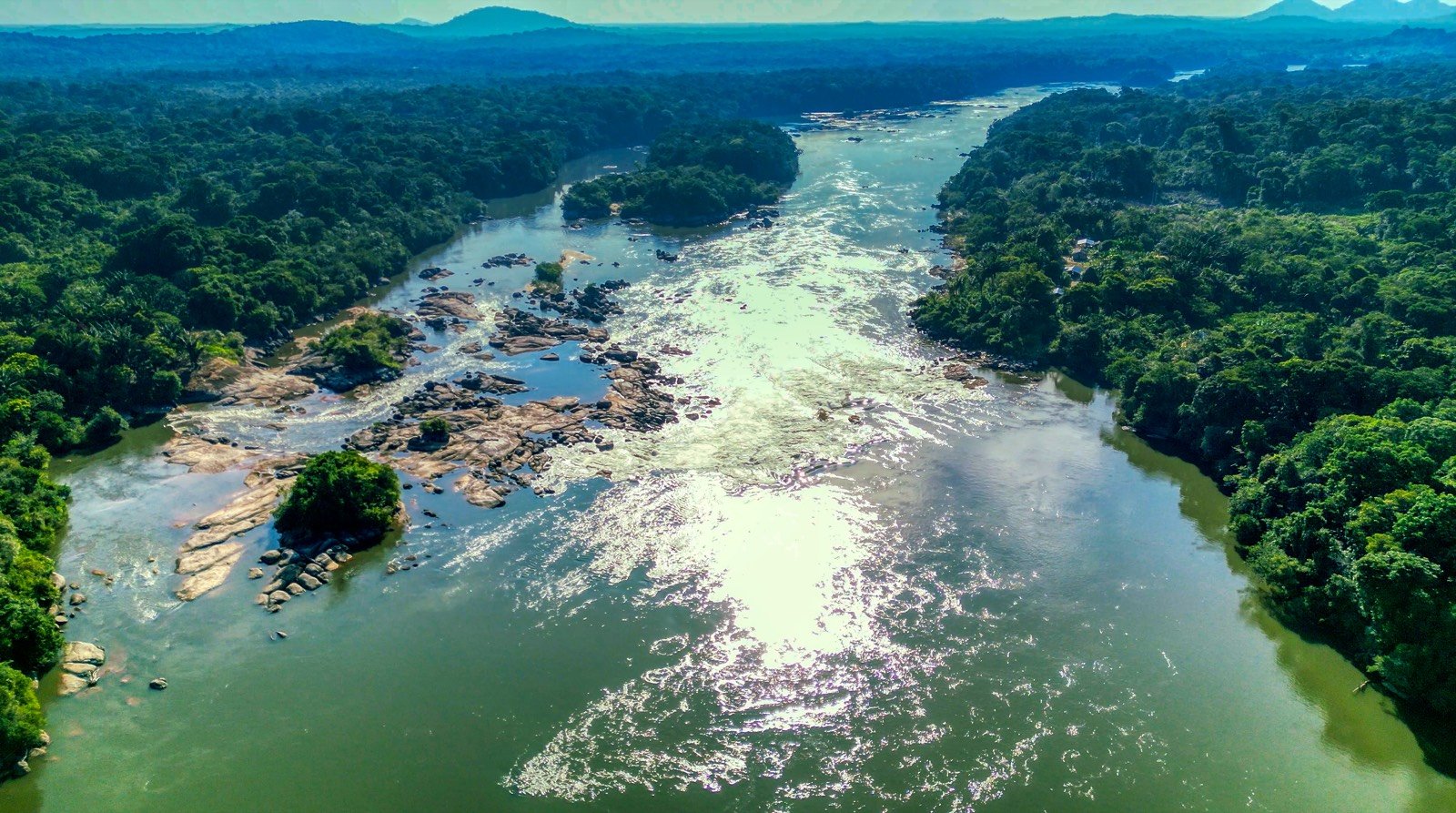
The Colombian Amazon spans the country's southeast. Six departments lie wholly within the Amazon region: Amazonas, Caquetá, Guainía, Guaviare, Putumayo and Vaupés. Portions of neighboring departments (Meta, Nariño, Cauca and Vichada) fall inside the broader biogeographic Amazon; we track those transition zones as well. Its ecosystems range from terra firme and flooded forests to the rock formations and savannas of the Guiana Shield, drained by the Caquetá, Putumayo, Vaupés, Guaviare and Amazon river systems.
See department-level monitoring in our Department Watch.
Learn morePeople and Indigenous territories
The region is home to many Indigenous peoples whose territories, governance and knowledge long predate the Colombian state and remain central to the Amazon's future. We treat Indigenous sovereignty, culture, ancestral land and human rights as substantive dimensions of every issue here, not a sidebar. Where our reporting carries Indigenous evidence and perspective we surface it directly; where it is absent, we name that gap rather than speak for anyone.
Background: Indigenous Communities · In depth: the Nukak Territorial Spotlight and our investigation Gold of Abandonment.
Learn moreWhat is happening now
Canonical developments from our intelligence record, most recent first.
We are building our live record of Colombian Amazon developments; follow current items in the News Watch below.
Learn moreForests, climate and biodiversity

Deforestation, fire and a warming climate reshape the Colombian Amazon year to year, with consequences for biodiversity, water and the peoples who depend on the forest. We report both the losses and the responses.
Forest, climate and biodiversity developments will appear here as our record grows.
Learn moreFood, fruit and forest economies
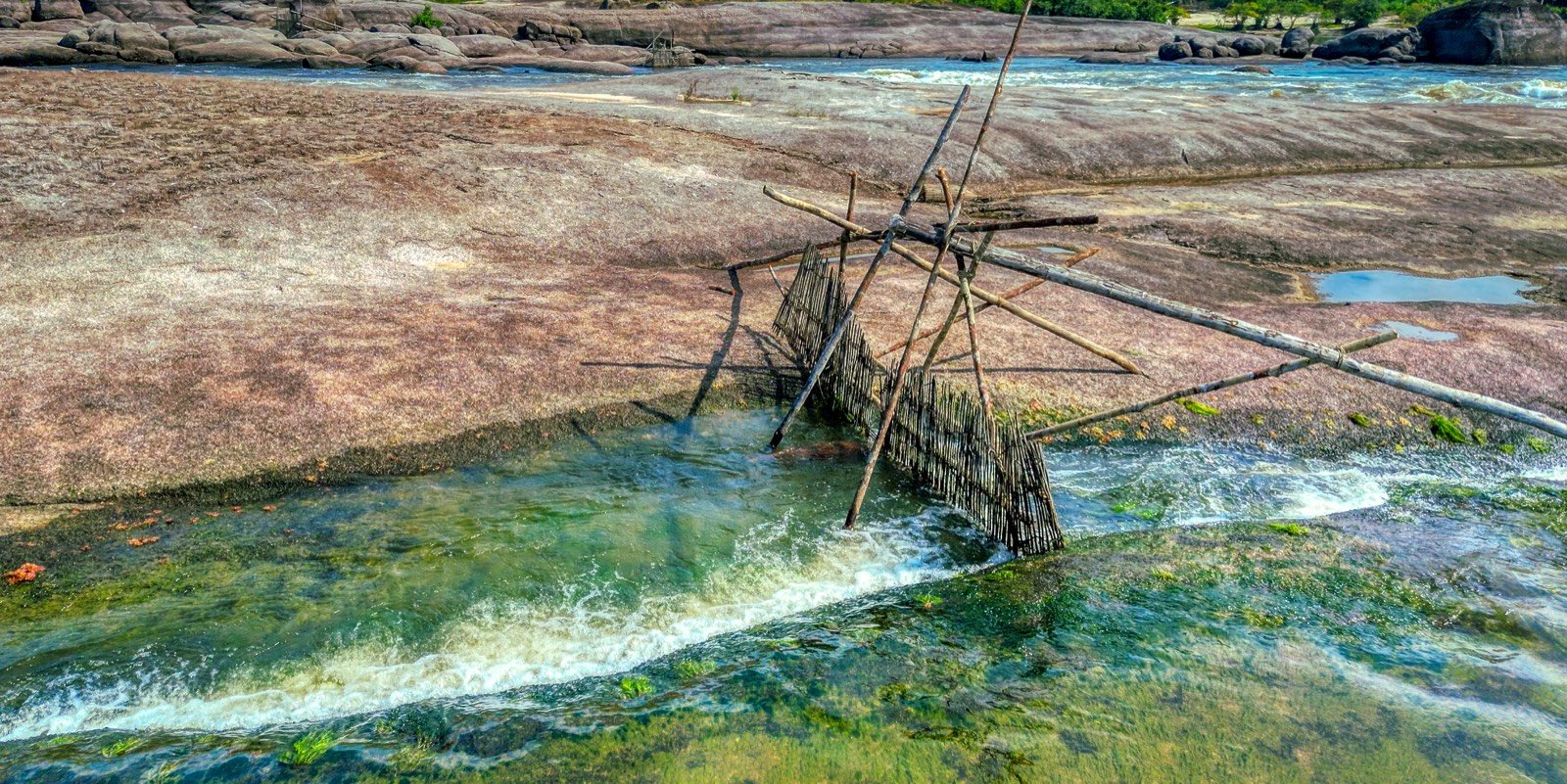
Food is another way to understand the biodiversity and cultural life of the Colombian Amazon. This section explores how Amazonian fruits, cacao and other forest products intersect with ecology, culture, knowledge and livelihoods.
One important question is whether forest-based products can create meaningful economic value while the forest remains standing. We treat that as a question to investigate rather than an outcome to assume, examining how harvesting, trade, land use and who receives the economic benefit shape the result.
Where evidence is available, we document the local and Indigenous knowledge connected to these foods and products. Nutritional, medicinal, species-range and forest-economy claims are held to the same sourcing standard as the rest of our reporting and are not repeated here without evidence.
Dulce Amazónica is one tangible example within our own work of connecting people with foods and ingredients from the Amazon. But the larger story is ecological, cultural and economic.
Explore in depth: Amazonian Fruits & Foods · Dulce Amazónica.
Learn moreMining, oil and extraction
Gold mining, oil development and the push for “critical minerals” are among the most contested forces in the region. We report government and industry positions and the documented environmental and human-rights impacts, keeping each claim attributed to who makes it.
Tracked mining, oil and extraction developments and projects will appear here.
Learn moreRoads, railways and infrastructure
Roads and transport corridors open the forest to settlement and extraction; their routes and licensing are decisive.
Tracked infrastructure projects will appear here.
Regional corridor tracking: Geopolitics & Amazon Corridors.
Learn moreLaw, policy and governance
Outcomes turn on laws, decrees, court rulings and enforcement — which often diverge from political announcements. We track where a policy actually stands in its lifecycle, not just what was promised.
Active policies and policy changes will appear here as our record grows.
Learn moreConservation and restoration
Protected areas, restoration efforts and community-led stewardship are part of the story alongside the threats. We report conservation outcomes with the same evidence standard we apply to harms.
Learn moreIndigenous perspective and evidence
An evidence surface: where our reporting carries evidence-supported relationships between developments and Indigenous peoples or communities, we show them with their evidence basis. Where a development lacks Indigenous evidence or perspective, we treat that as a reporting gap rather than manufacture a viewpoint.
Evidence-supported Indigenous/community relationships will appear here; absence is surfaced as a reporting gap.
